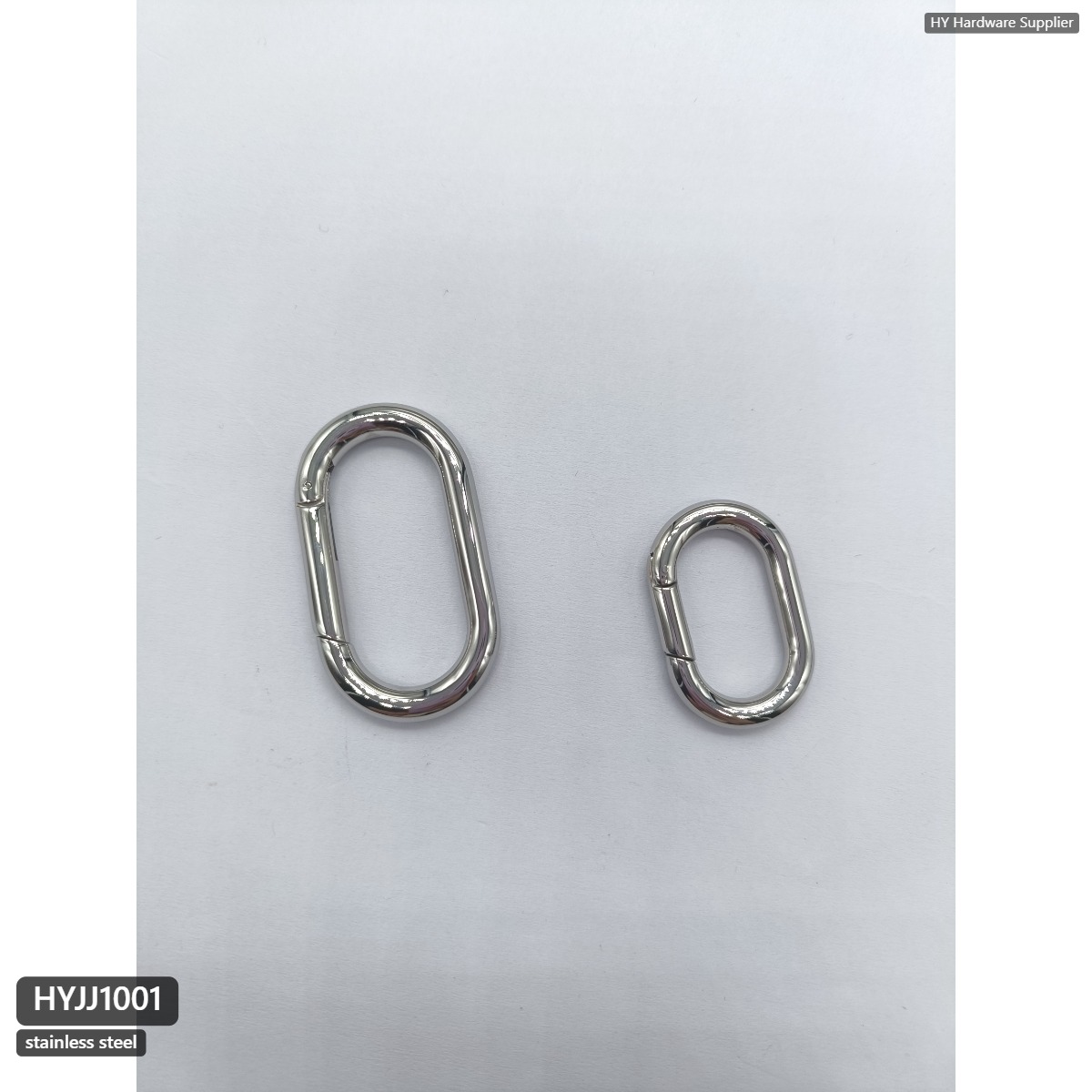
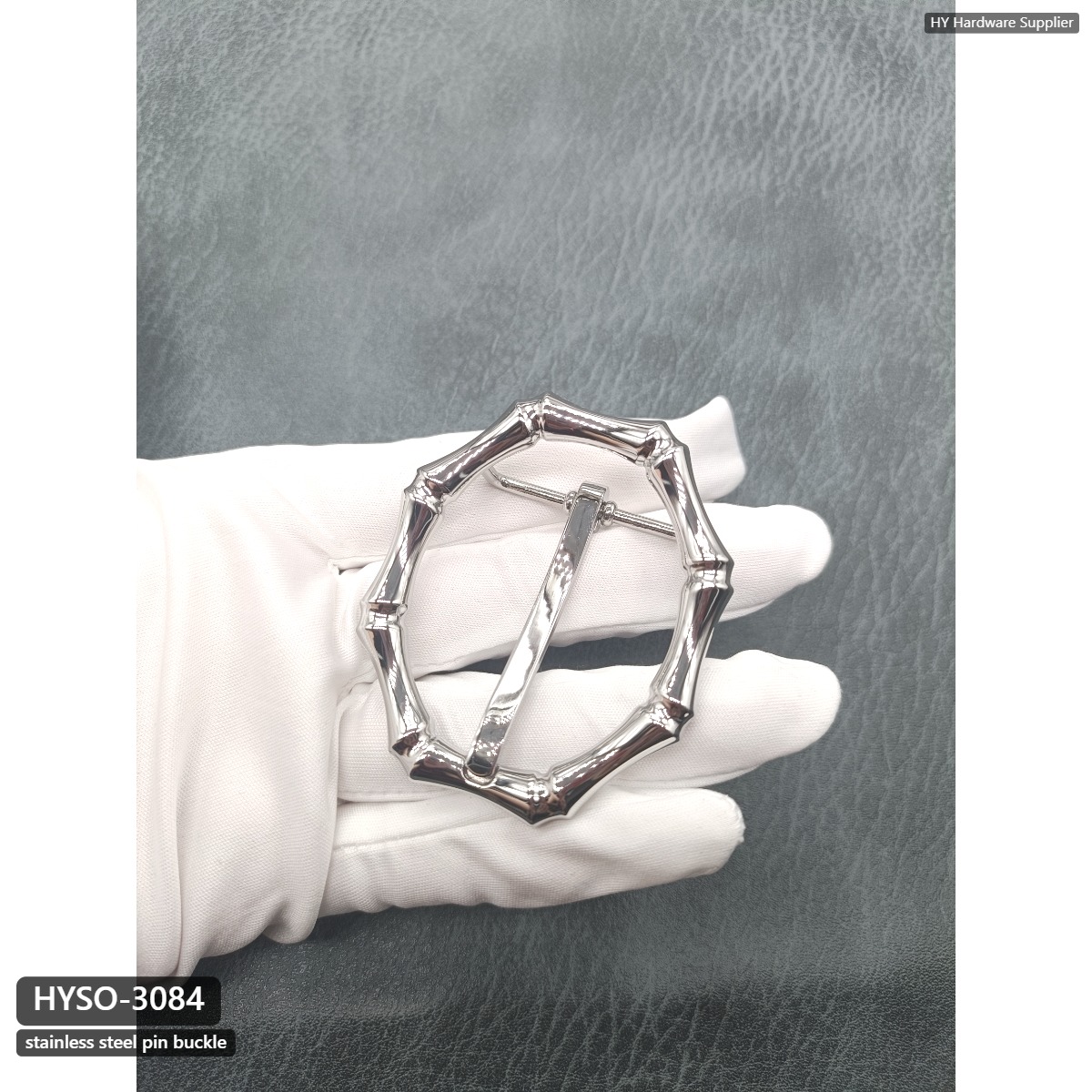
"Nickel-free" is one of the most common lines on a hardware quotation for the European market — and one of the most misunderstood. It is treated as a simple yes/no box to tick, when it is really a question about what sits under the finish, and how the piece behaves once it is worn against skin.
For any brand selling belt buckles, bag chains or clasps into the EU, getting this right is not a preference. It is a legal requirement, and the cost of getting it wrong — a market recall, a returned collection, a customer with a rash — lands long after the order has shipped. Here is what the requirement actually says, and how to specify hardware that meets it, whether you work in zinc alloy or stainless steel.
What REACH Actually Requires
Nickel in skin-contact articles is restricted under EU REACH (Annex XVII, Entry 27). The key detail that surprises most buyers: the rule is not written around how much nickel a piece contains. It is written around how much nickel it releases.
The limit is 0.5 µg of nickel per cm² per week for items in prolonged contact with the skin. Belt buckles at the waist, chain straps on the shoulder, clasps at the wrist — all fall in scope. What matters is the nickel that migrates out of the surface through sweat and wear, not the nickel locked inside the metal.
This single distinction — release, not content — is why a piece can be sold as "nickel-free" and still fail in use.
"Nickel-Free" Is a Claim. Nickel Release Is a Measurement.
When "nickel-free" appears on a quotation, it usually describes the intent of the plating, not a tested result. The two are not the same. A finish can look flawless and pass at approval, then release nickel months later once the surface wears at a friction point. The word on the paperwork and the tested figure are different things — and only one of them protects the end customer.
Choosing a Material for the EU Market
Both zinc alloy and 316L stainless steel can be specified for the European market. 316L stainless steel is safe for prolonged skin contact and takes its colour from PVD coating; zinc alloy is finished by plating. Which one fits depends on the product, the finish and the price point — a conversation worth having with your supplier early, at the quotation stage.
Why It Matters to the End Customer
Nickel is one of the most common causes of allergic skin reactions. For most people the risk is cumulative: repeated, prolonged contact can gradually sensitise the skin, and once someone is sensitised, a reaction can return with even brief contact. Not everyone reacts, and it is not guaranteed — but it is common enough that the EU treats nickel release as a public-health rule rather than a styling preference. A beautiful bag that marks the skin of the person carrying it becomes a return, and sometimes a regulator's letter.
(Nickel release is a separate issue from hardware turning a leather bag green — that is a copper-substrate reaction, explained in our guide to why handbag hardware turns green.)
Working With Us
If you are specifying hardware for the EU market, tell us your product and target market and we will help you choose the right material and finish. We sign an NDA before any drawings are exchanged, and every order is 100% inspected before shipment.