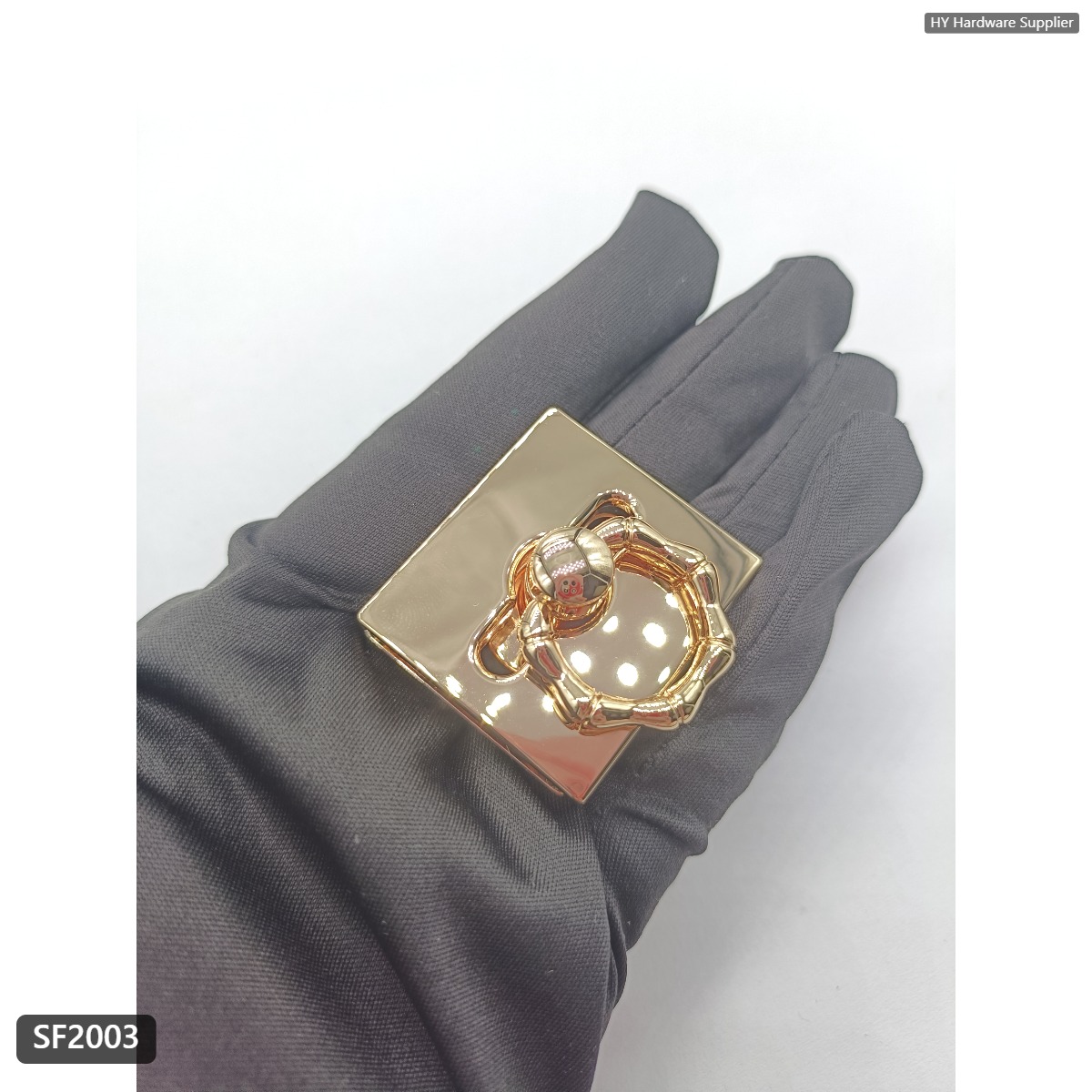
The finish on a piece of hardware is not decoration. It is the outermost layer of protection against wear, corrosion, and the chemical environment of real leather — and it is the first thing an end customer notices. Getting the finish specification right is one of the most consequential decisions in leather goods development.
This guide covers the main finishing options available for zinc alloy and stainless steel hardware, with technical detail on durability, appearance, environmental compliance, and when to specify each.
1. Electroplating (Standard Galvanic Plating)
Electroplating is the most widely used surface treatment in hardware manufacturing. Metal parts are submerged in a chemical bath and an electrical current deposits a thin layer of plating material — typically copper, then nickel, then the colour layer (gold, chrome, gunmetal, etc.) — onto the surface.
Advantages: Cost-effective, widely available, broad colour range, flexible MOQ.
Limitations: The plating sits on the surface rather than bonding at a molecular level. Under friction, humidity, and contact with leather tannins, the coating can wear, peel, or oxidise over time. Colour durability depends heavily on plating thickness and the base material.
Salt-spray performance: Standard commercial electroplating typically achieves 24–48 hours in salt-spray testing.
EU compliance: Standard electroplating often contains nickel, which is restricted for skin-contact applications under EU REACH regulation. Nickel-free electroplating is available and REACH-compliant, but adds cost.
Best for: Fashion accessories, contemporary collections, price-sensitive lines where colour variety and low MOQ matter more than multi-year durability.
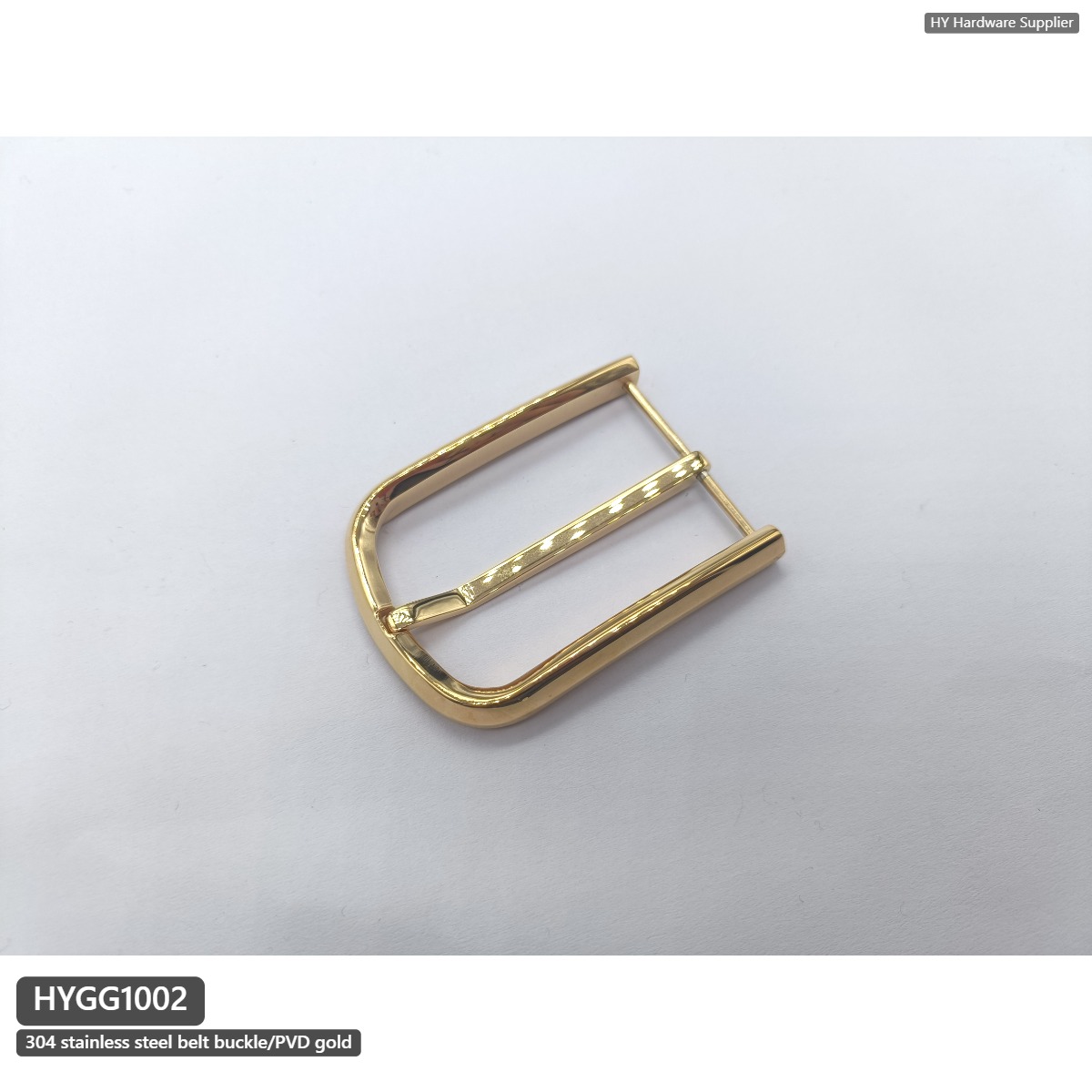
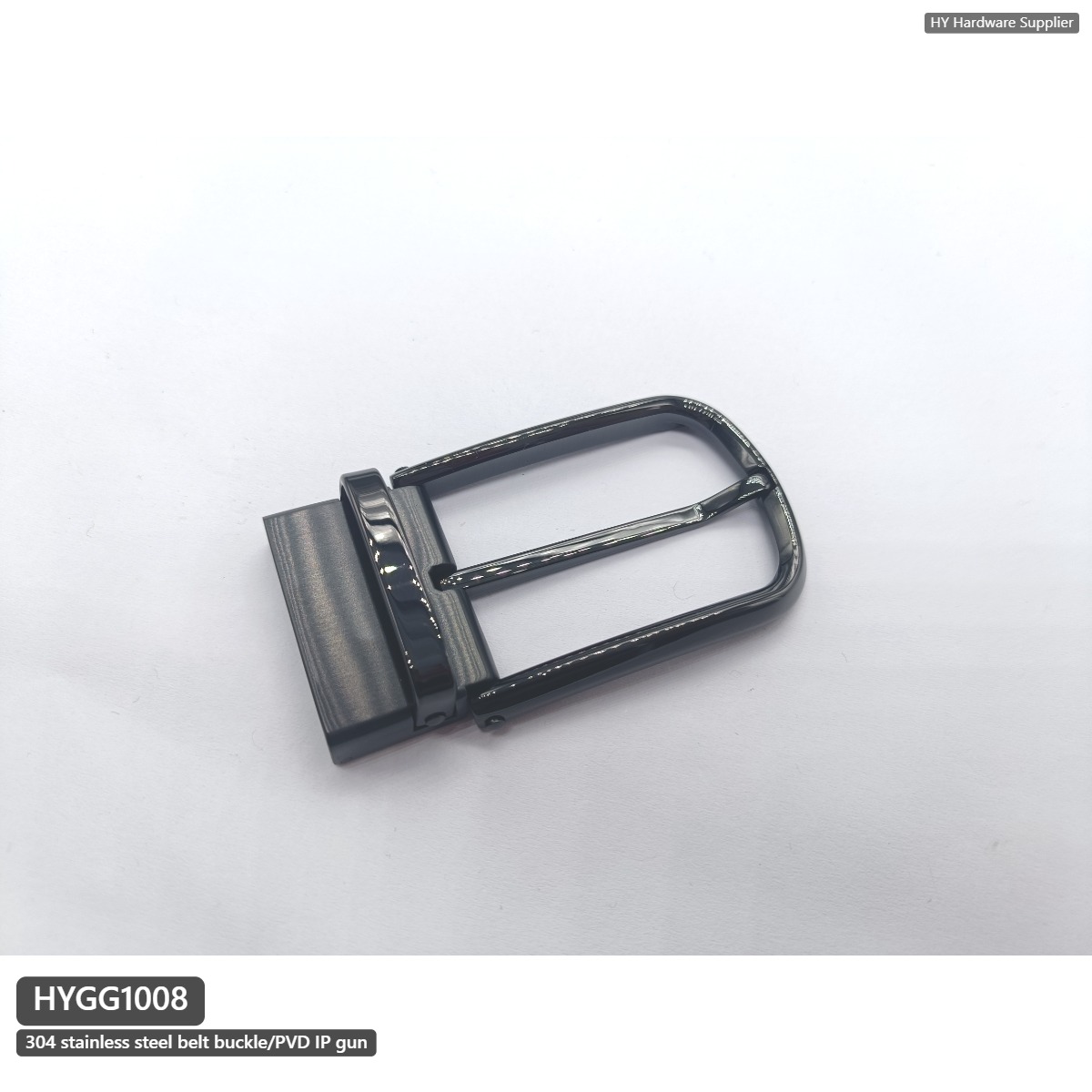
2. PVD Coating (Physical Vapor Deposition)
PVD is a vacuum-based deposition process. Parts are placed in a vacuum chamber where metal ions are physically deposited onto the surface at the atomic level, creating a coating that is chemically bonded to the substrate rather than layered on top of it.
Advantages: Exceptional hardness and wear resistance. Colour is stable over time — PVD gold on 316L stainless steel does not oxidise or tarnish. Environmentally cleaner than electroplating, with no chemical baths. No hazardous waste streams.
Limitations: Higher unit cost than electroplating. Narrower colour range — commercially available in gold, rose gold, gunmetal, black, and a few additional tones.
Salt-spray performance: The combination of a stainless steel substrate and PVD coating is one of the most durable options available in commercial hardware production. Salt-spray testing can be arranged as part of your project's QC plan.
Colour durability in use: 5–10 years under normal wear conditions, significantly exceeding electroplated alternatives.
EU compliance: PVD is inherently nickel-free in its colour layer (depending on target coating material) and generates no hazardous chemical waste, making it well-aligned with European environmental and product safety requirements.
Best for: Premium and luxury hardware where durability is part of the brand story — brands with high quality standards and a sustainability-minded philosophy. 316L stainless steel with a PVD finish is the natural specification when longevity and a clean environmental profile matter.
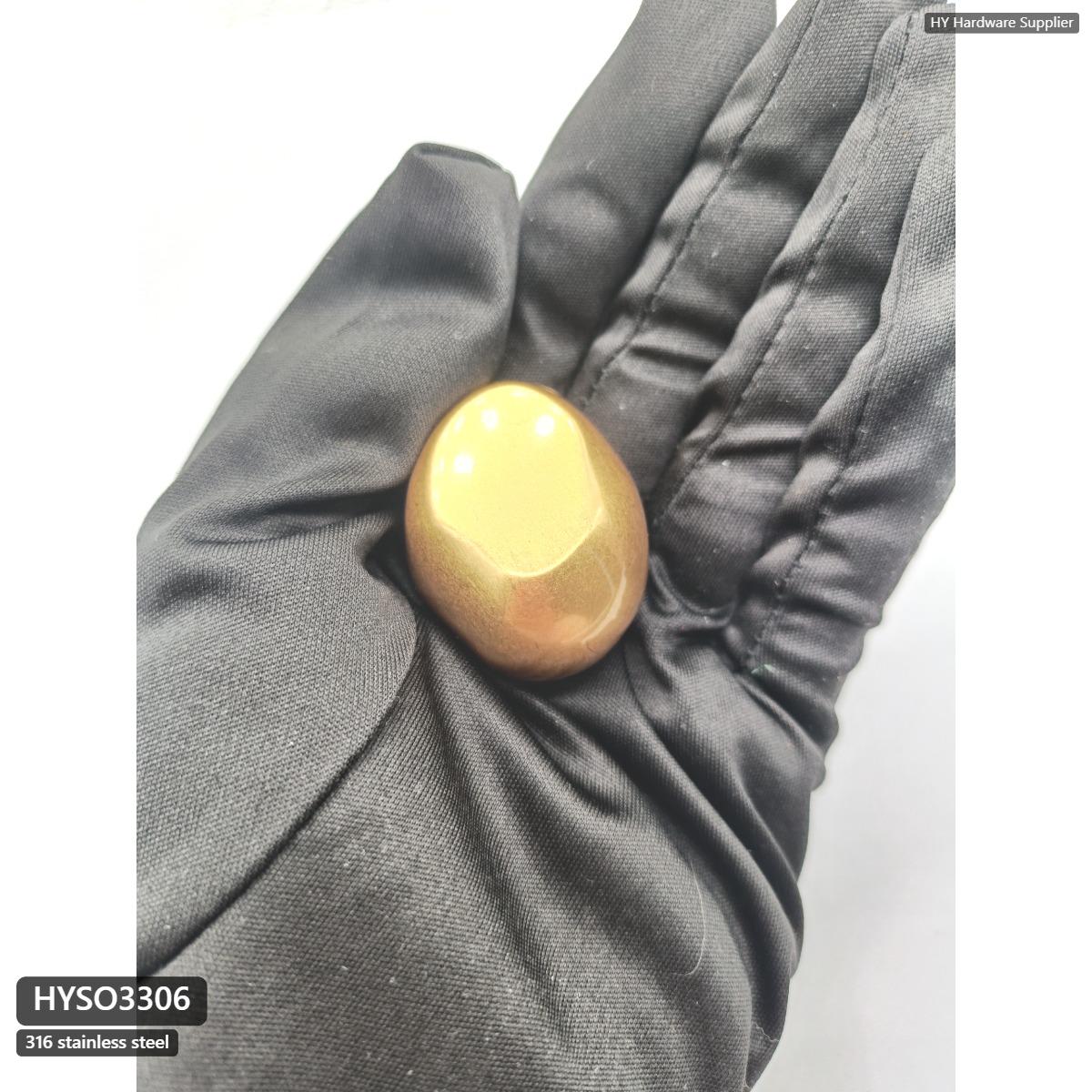
3. Mirror Polish (No Coating)
On stainless steel, mirror polishing achieves a reflective, jewellery-grade surface without any coating. The surface is progressively polished through finer and finer abrasive stages until the metal itself achieves near-perfect reflectivity.
Advantages: The most premium surface treatment available. A mirror-polished stainless steel surface is indistinguishable from high-end jewellery at first glance. No plating to degrade or peel. The finish is the metal itself.
Limitations: Shows fingerprints and micro-scratches more than any other finish. Requires more care in handling and packaging. Higher labour cost than plated alternatives. Silver/chrome tone only — does not produce gold, black, or coloured finishes without subsequent PVD.
Best for: Signature hardware pieces, logo hardware on heritage bags, fine leather goods where the jewellery aesthetic is central to the product concept.
4. Brushed / Satin Finish
A brushed finish is achieved by abrading the polished metal surface with fine abrasive media in a consistent direction, creating a subtle grain texture. Applied to stainless steel, the result is a sophisticated matte-to-satin surface with depth and directionality.
Advantages: Hides micro-scratches and daily wear far better than mirror polish. Contemporary aesthetic that reads as modern luxury. Can be combined with PVD for colour (brushed gunmetal, brushed gold).
Best for: Contemporary men's accessories, minimalist leather goods, brands positioning for quiet luxury rather than overt shine.
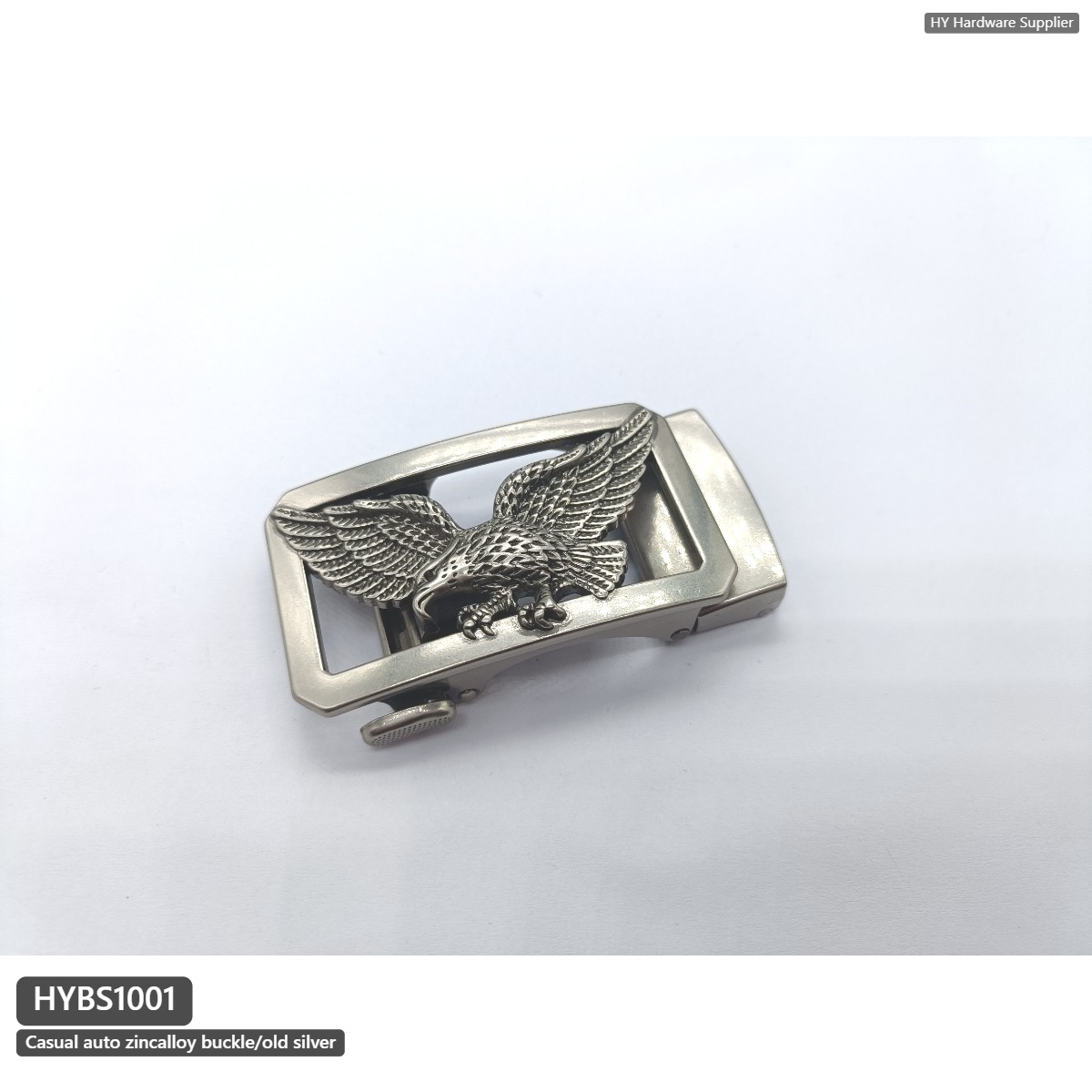
5. Antique / Vintage Treatments
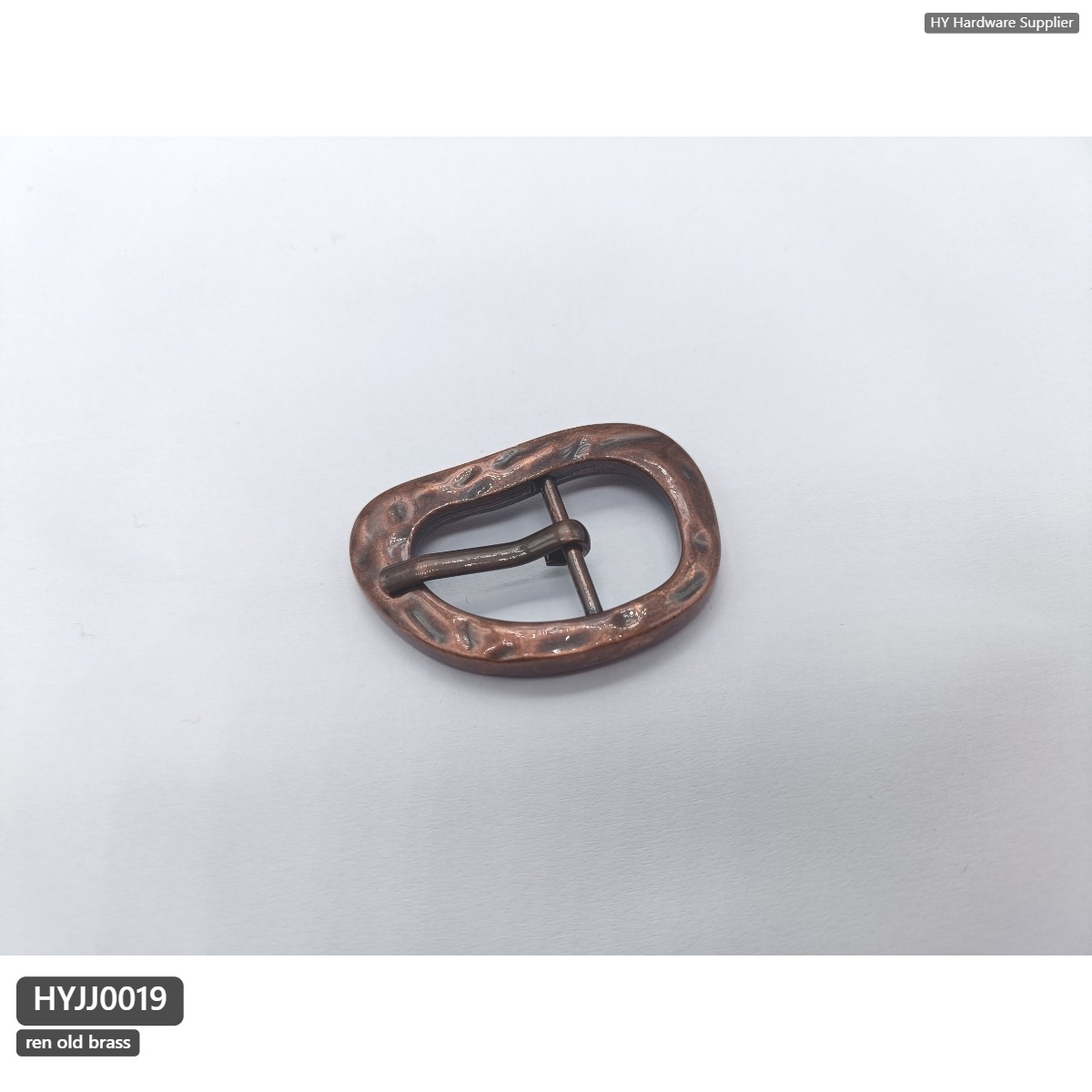
Antique finishes apply chemical oxidation or mechanical distressing to create a worn, aged appearance. Available on both zinc alloy and stainless steel, though more common on zinc.
Advantages: Strong heritage and artisan associations. Creates a unique depth that standard plating cannot replicate. Vintage and antique gold tones are also having a real moment in luxury fashion — many high-end leather goods brands now specify aged gold hardware as a fashion-forward signature, not just a heritage look.
Limitations: Harder to achieve consistency across a production run, so it demands tighter production control and clear approval samples.
Best for: Heritage positioning, leather goods brands with a strong craft or provenance narrative, and fashion-led collections using vintage gold as a design statement.
Luxury vs Standard Hardware: Choosing the Right Finish
The right finish depends on four factors: brand positioning, durability requirement, compliance market, and brand aesthetic.
Fashion positioning: nickel-free electroplating on zinc alloy. Cost-effective, flexible, and well matched to the expected product lifecycle.
Contemporary designer positioning: premium electroplating with nickel-free specification for EU markets, or entry-level PVD on zinc alloy where extra durability is wanted.
Premium / luxury positioning: PVD on 316L stainless steel — the natural choice for brands built on quality, longevity, and a sustainability-minded philosophy.
Heritage / jewellery positioning: mirror polish on 316L stainless steel, optionally combined with PVD for colour.
We advise on finish specification as part of every project brief. If you are unsure which specification fits your brand and production economics, contact us with your brand positioning and target market, and we will provide a recommendation.